Infrastructure guidance for startups, startup demos, and more: FORGE 2026 Spring Startup Showcase recap
Jun. 10, 2026 – A new building, demos of exciting physical products, and a discussion of some of the most important decisions innovators must make on the journey from prototype to scale – what could be more inspiring? This year, we brought the FORGE Spring Startup Showcase to 10 Prospect, a new life-sciences-focused building from USQ just half a mile from FORGE HQ.
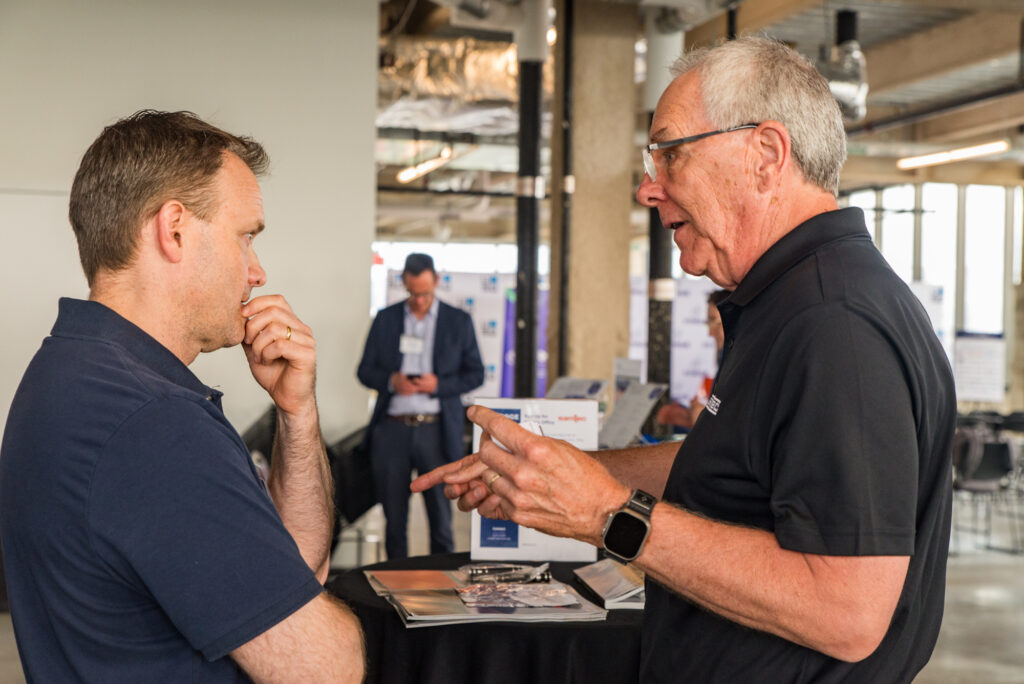
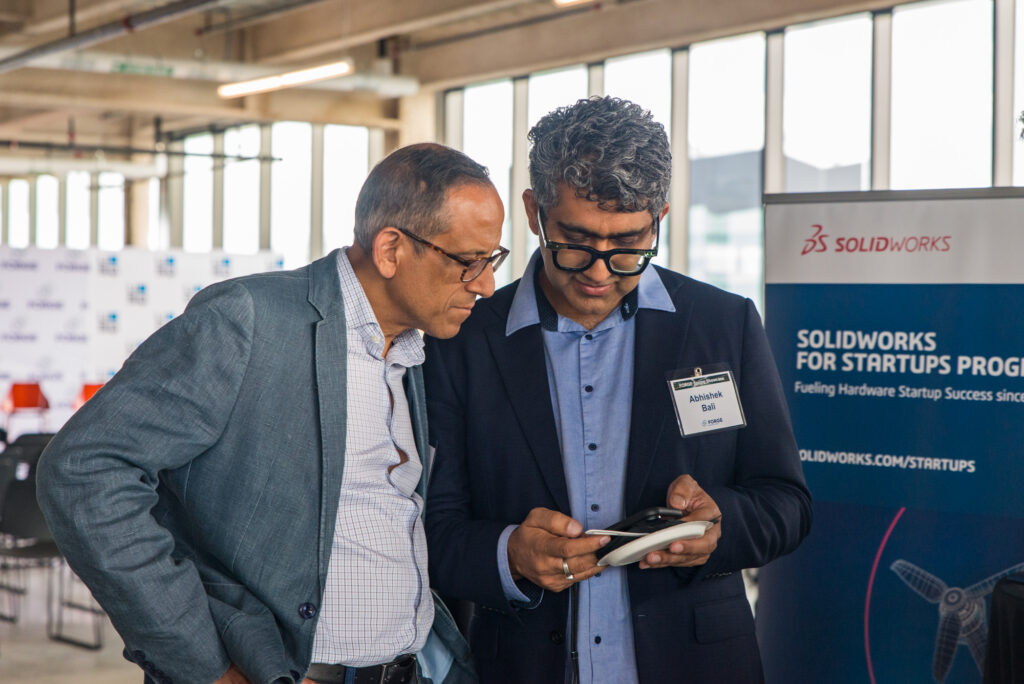
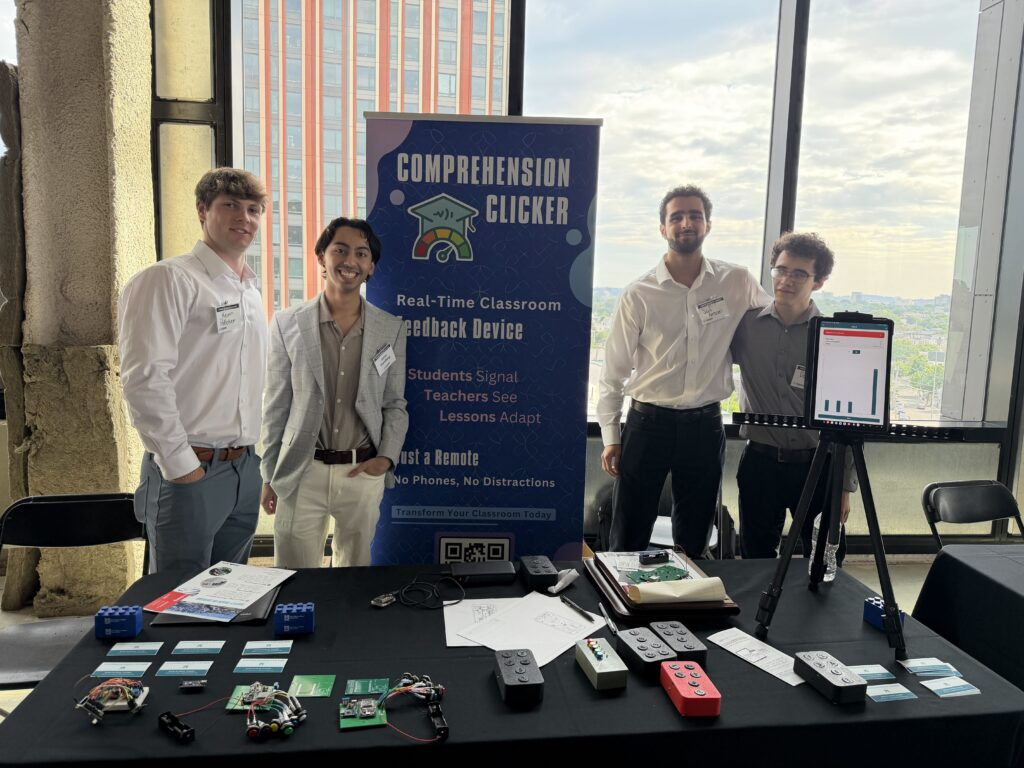
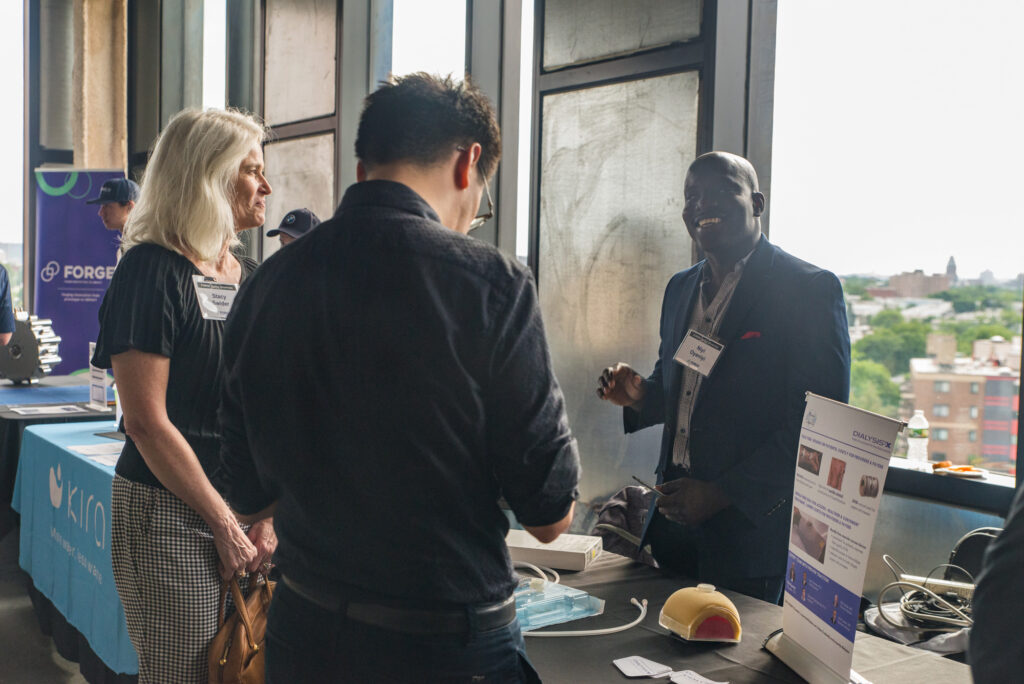
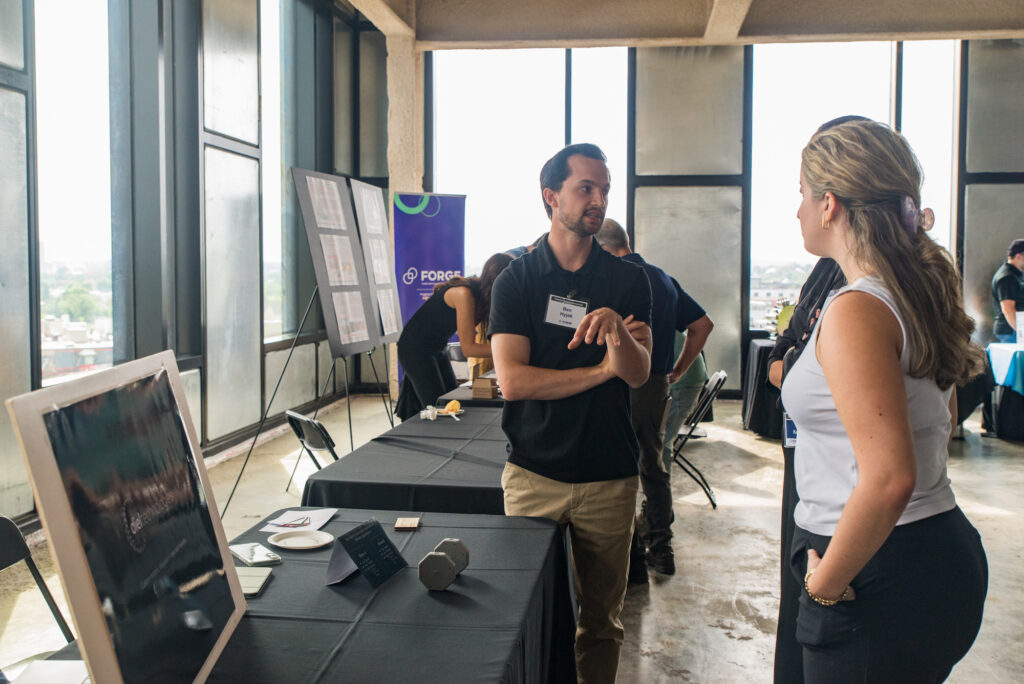
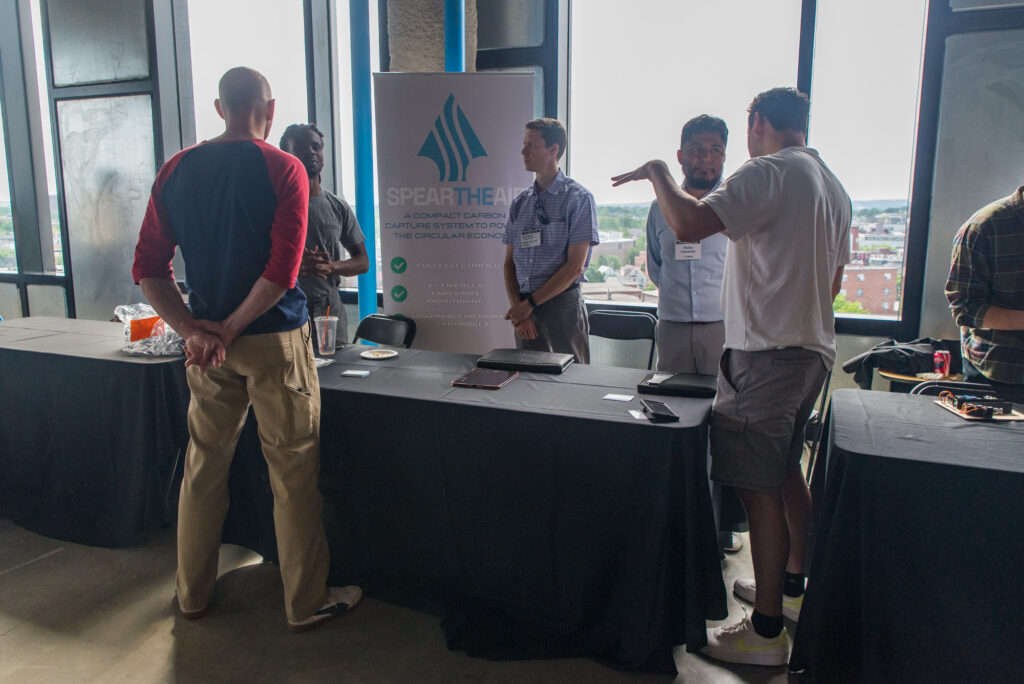
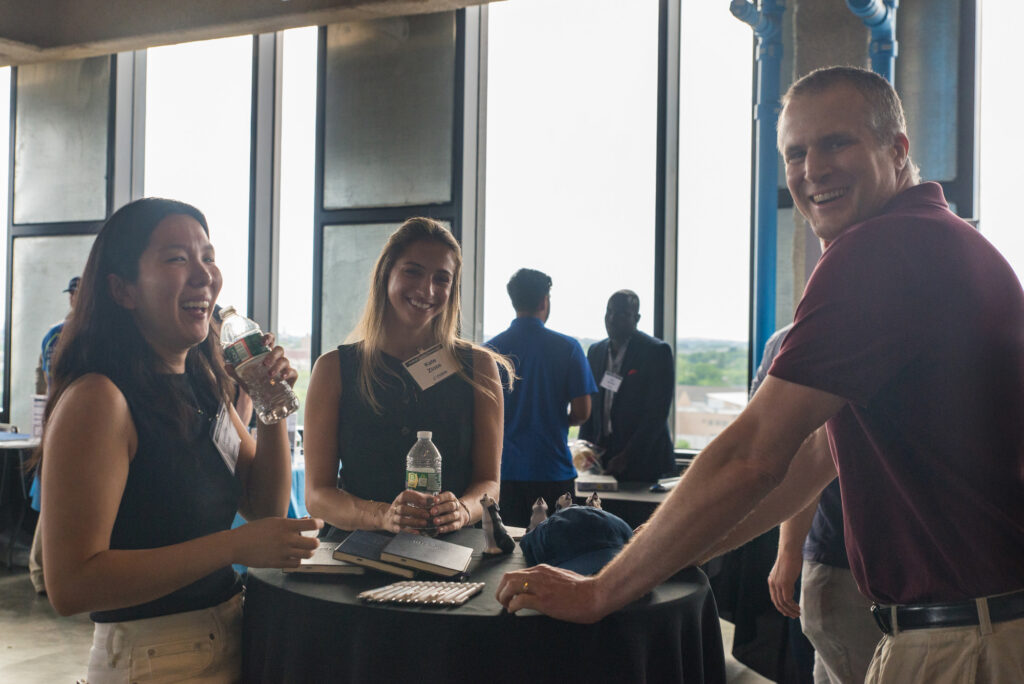
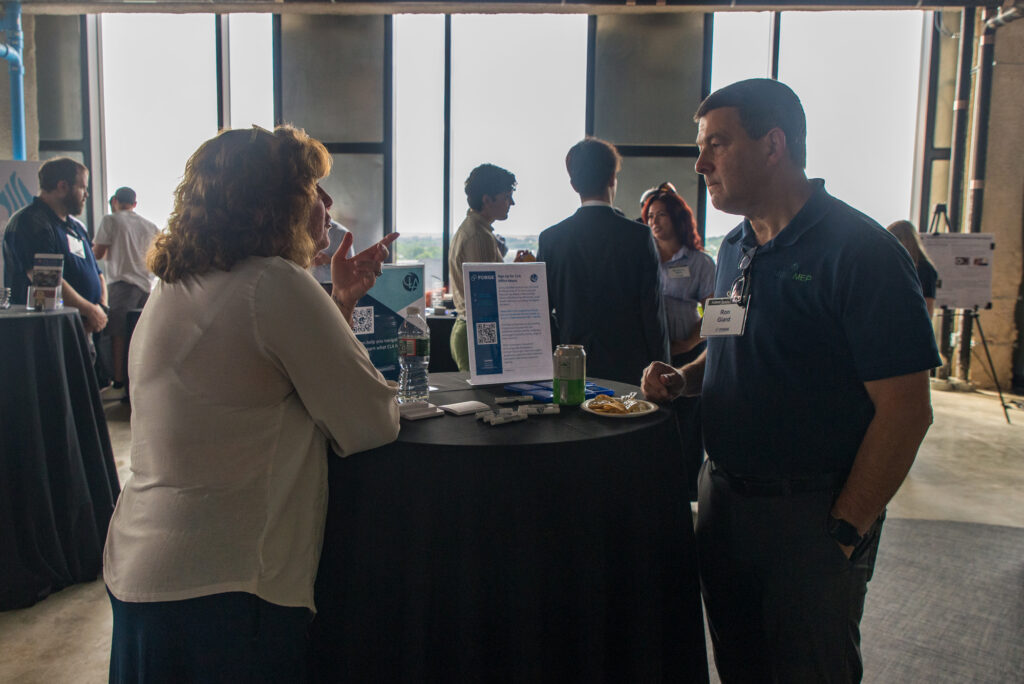
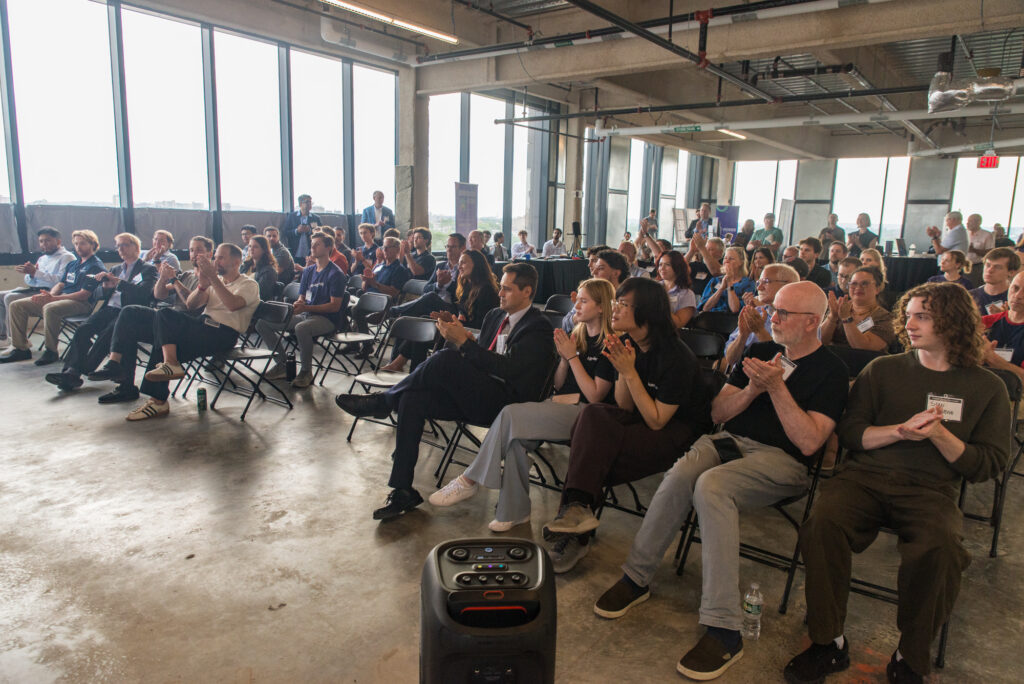
The event kicked off with a VIP networking hour for hand-picked FORGE ecosystem members to connect. Once we opened for general admission, dozens of innovators, investors, innovation ecosystem collaborators, and suppliers and manufacturers from across New England ascended to a 31,000+ square foot open-layout space to view the demos and meet FORGE partners.
Soon, the audience gathered to hear from experts for the “Scaling a Hardtech Startup: Building the Foundations for Growth” panel. Read on for panel insights about staying smart while scaling to mass production.
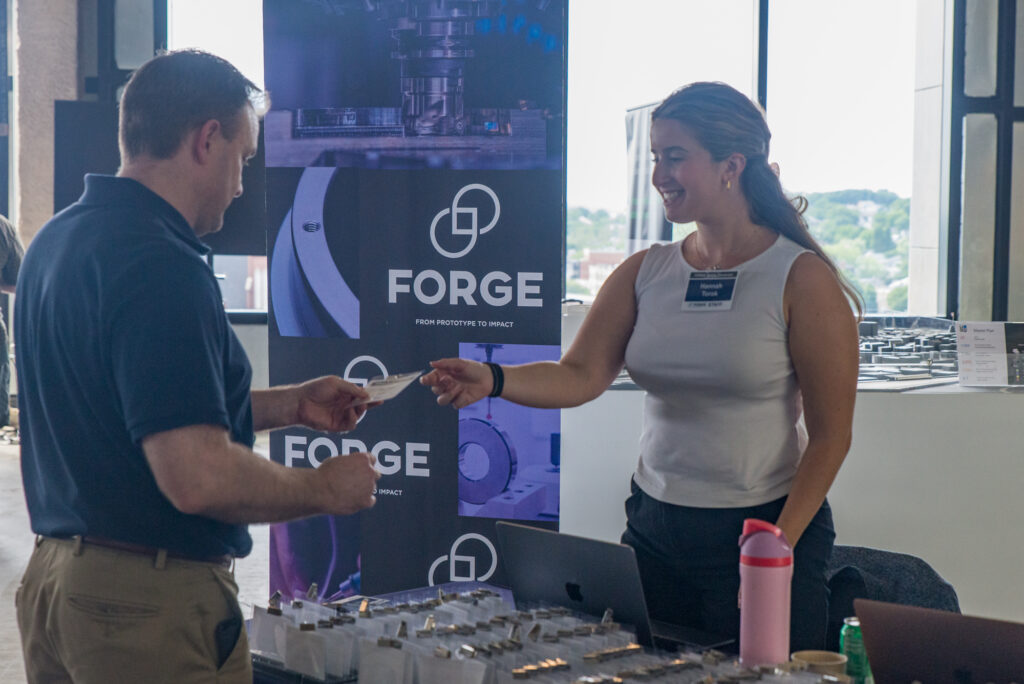


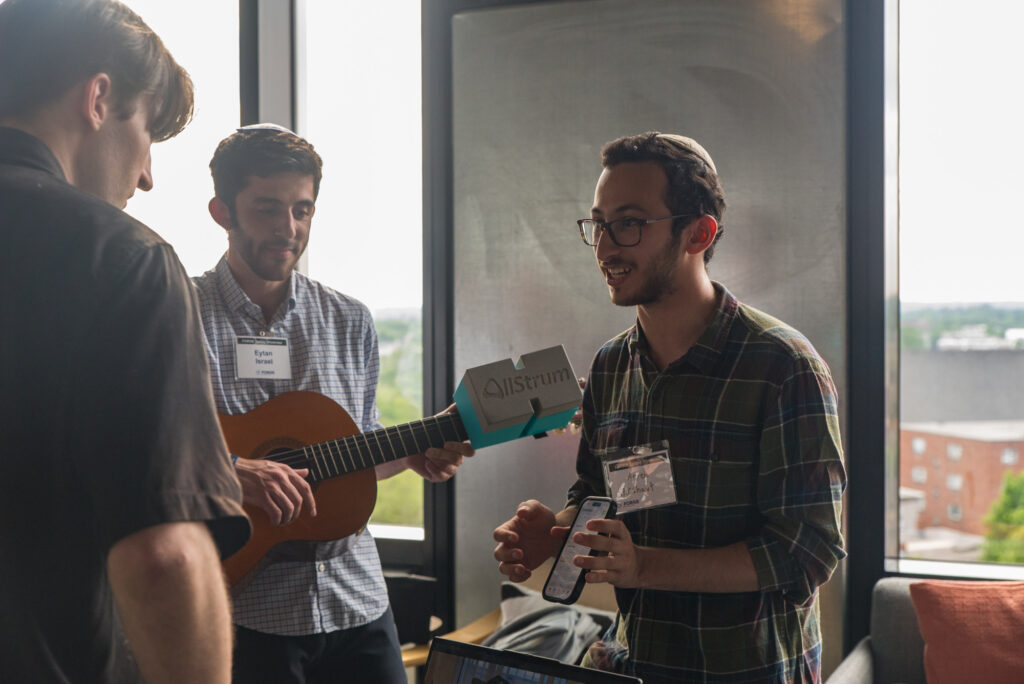
2026 Spring Startup Showcase startups
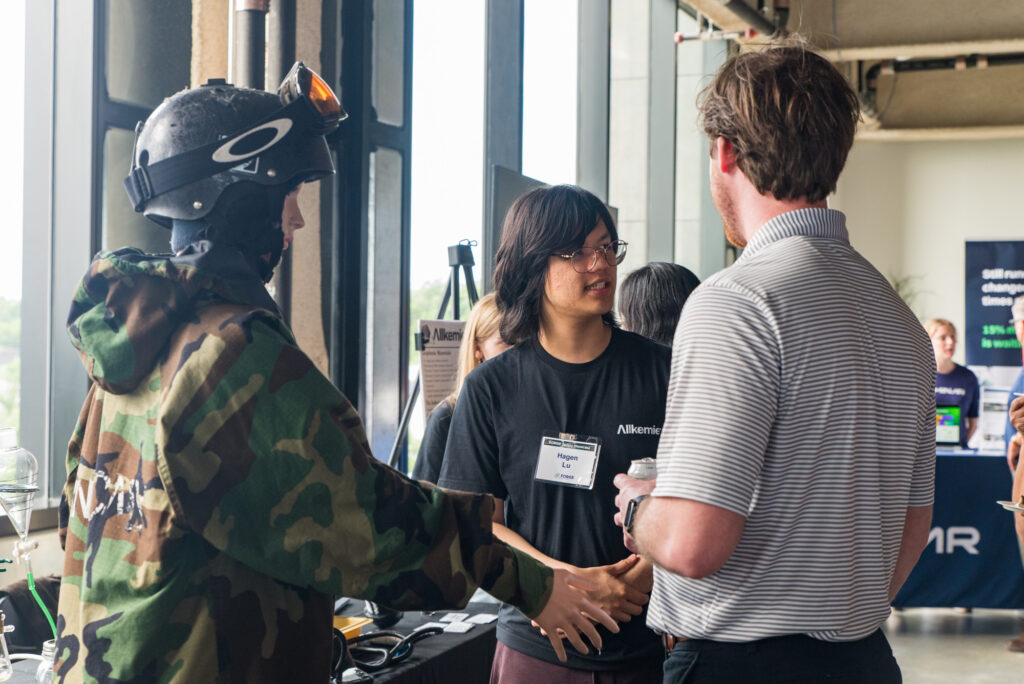
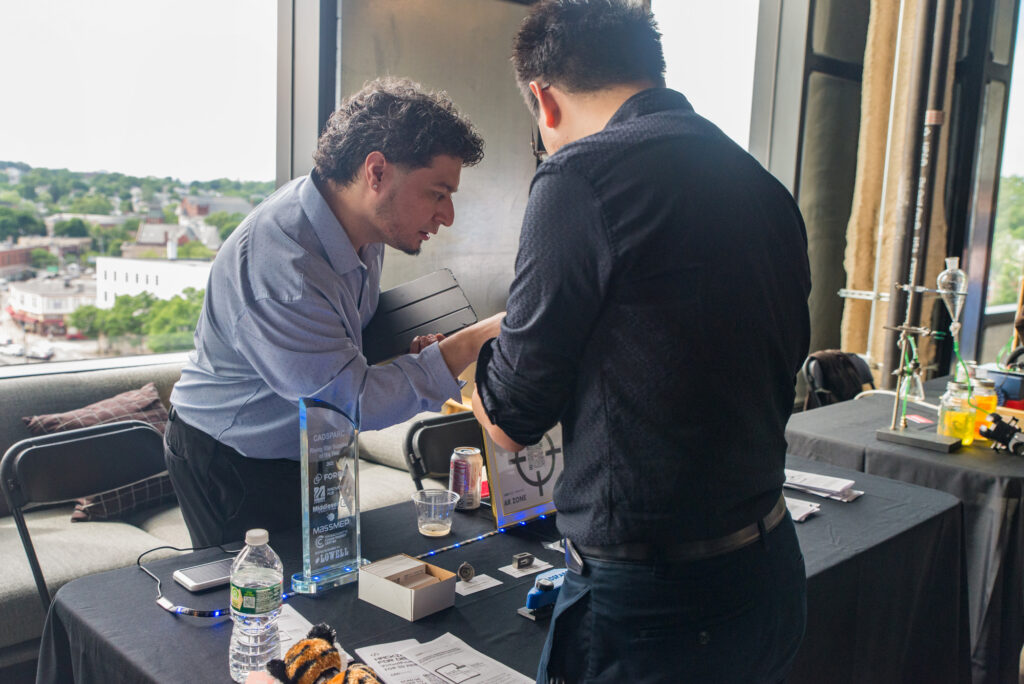
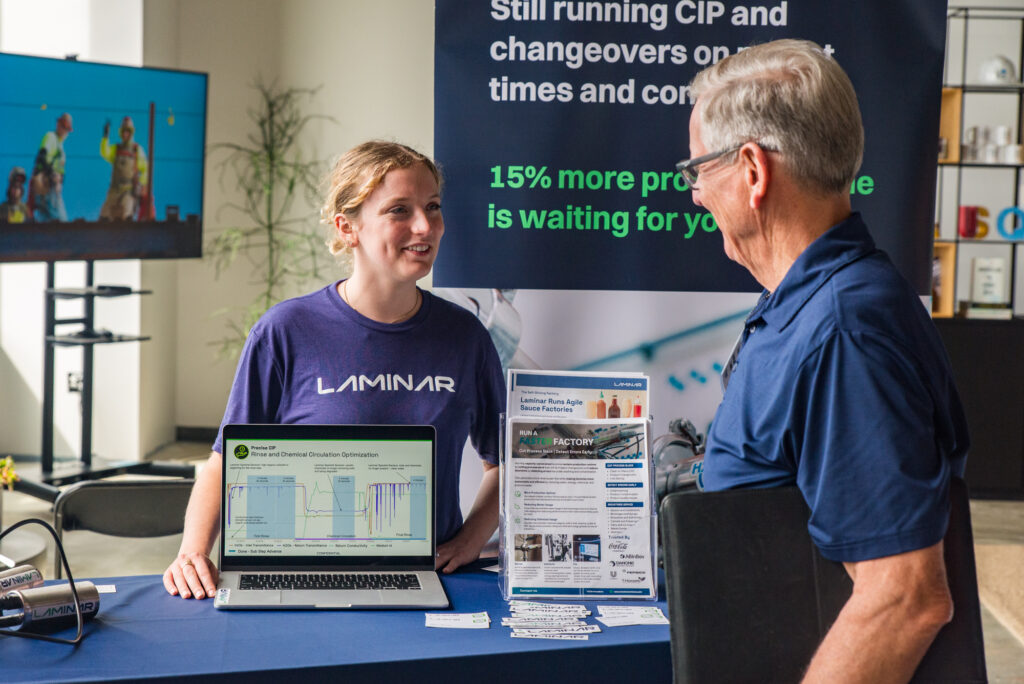
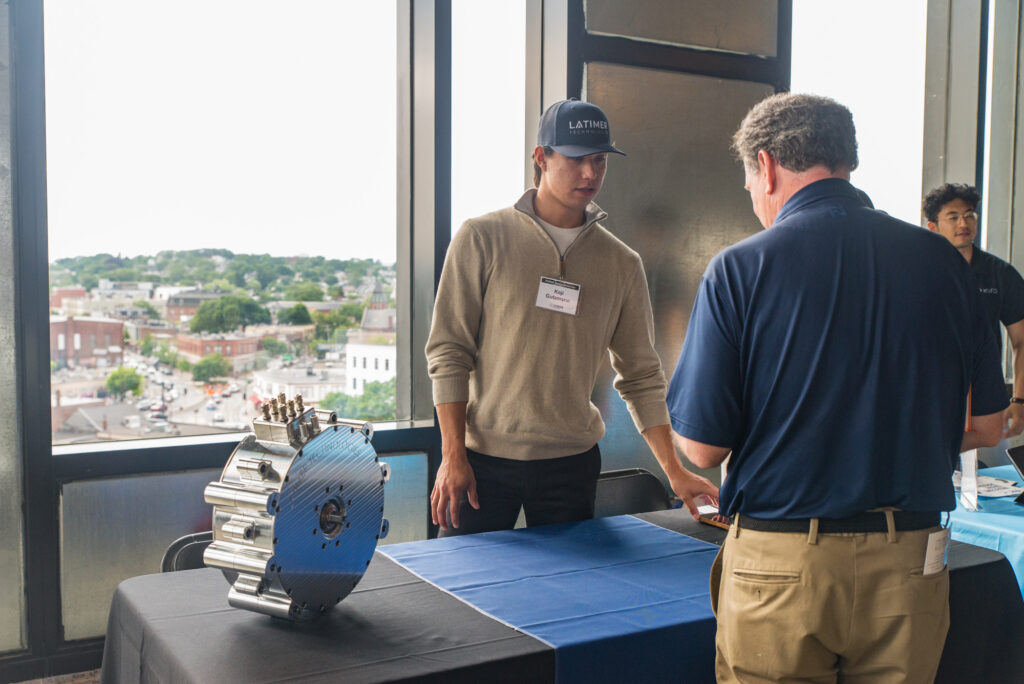
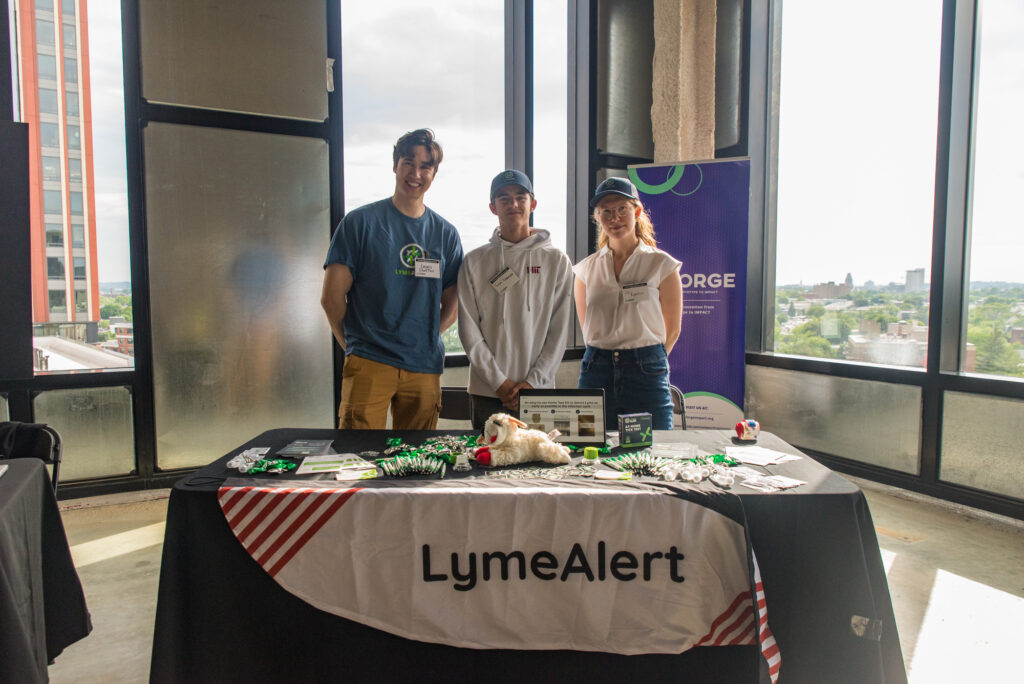
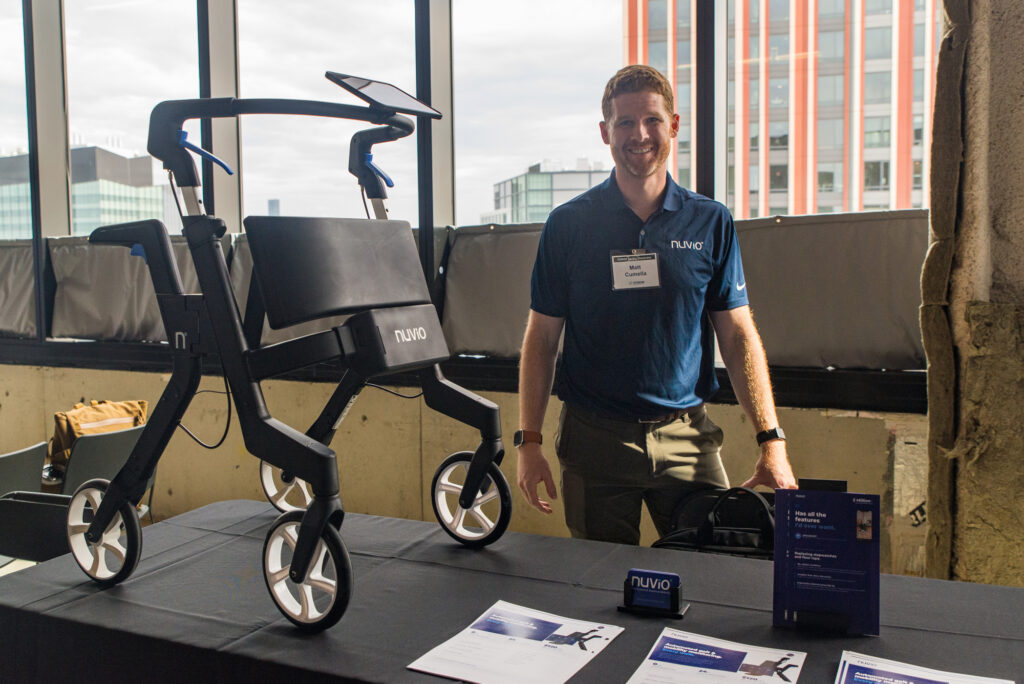

FORGE partners
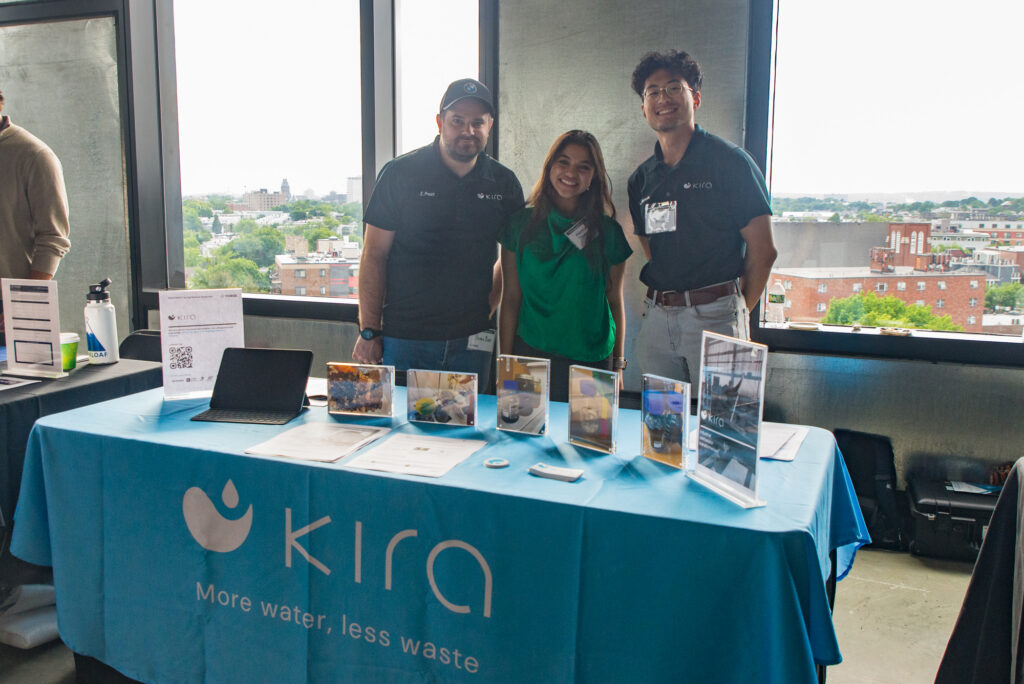
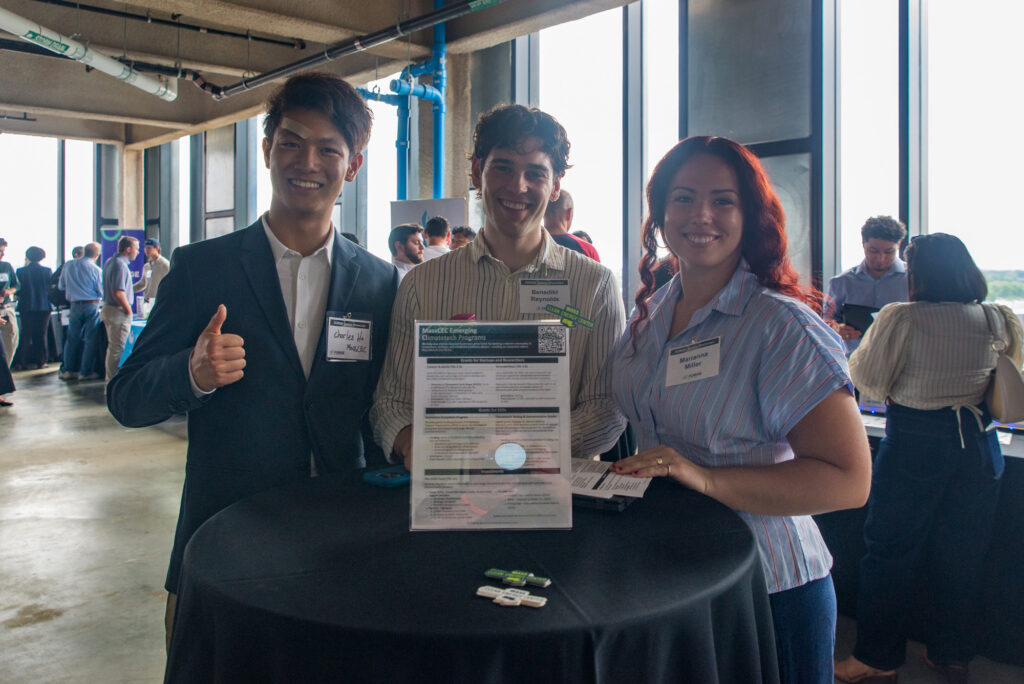
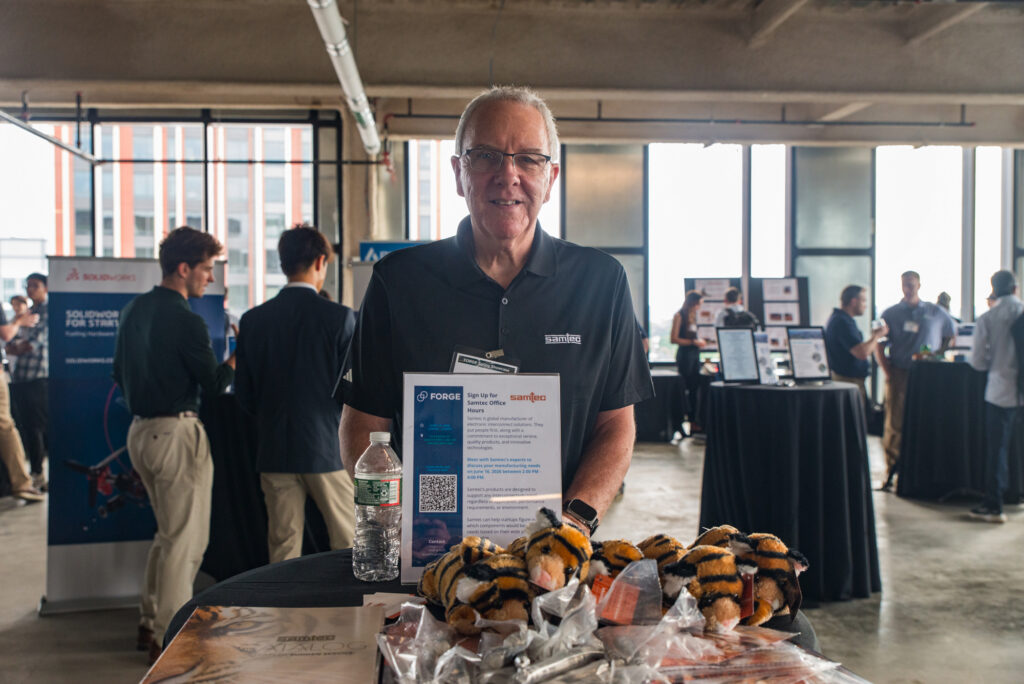
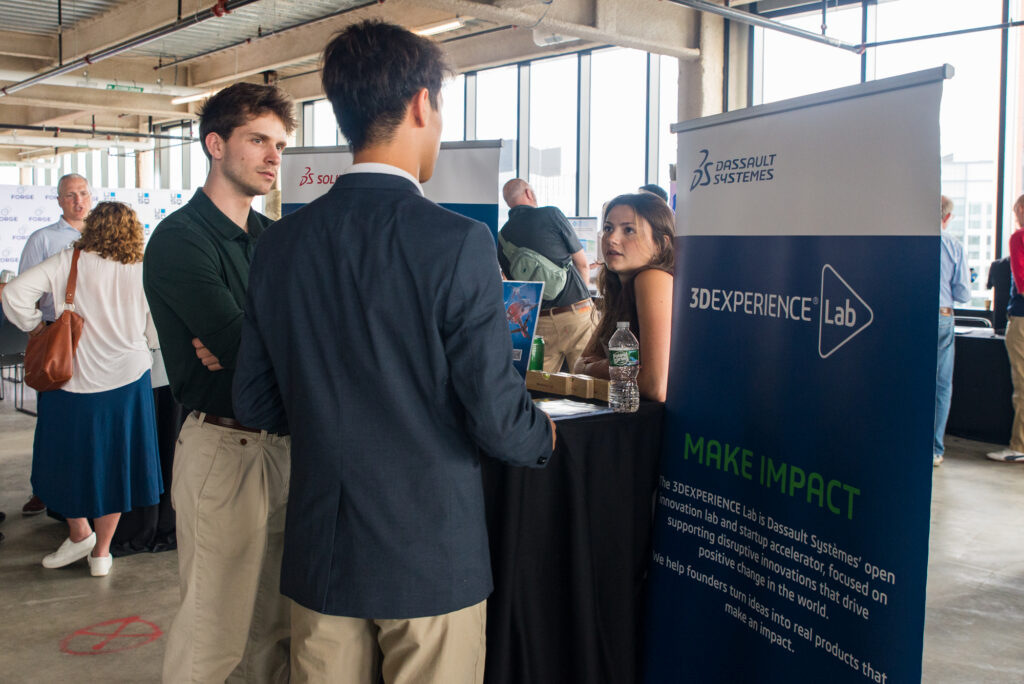
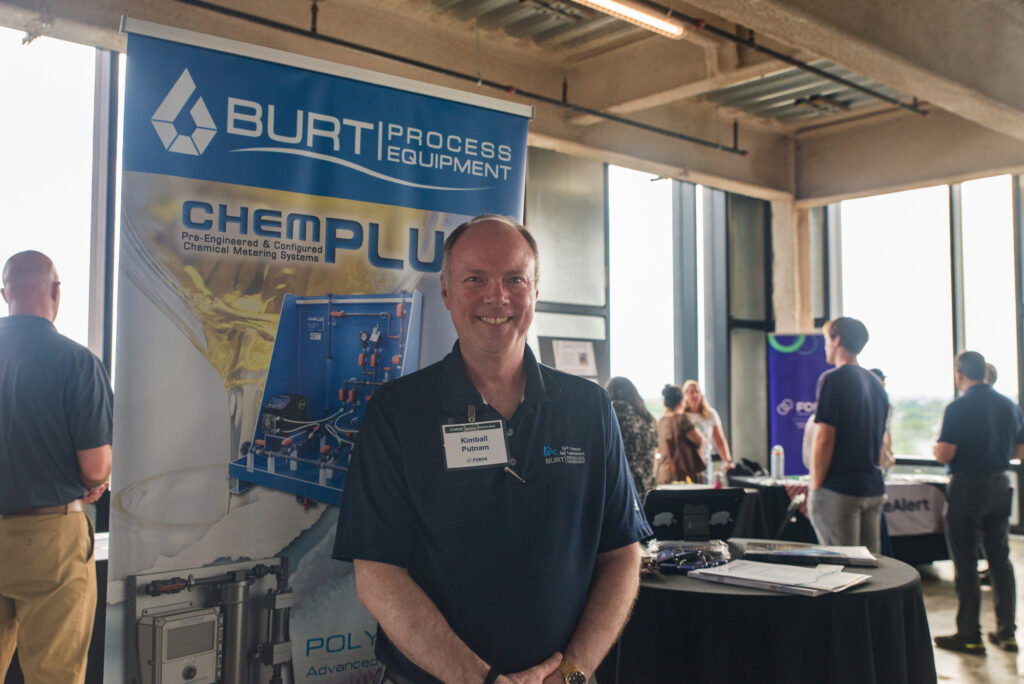
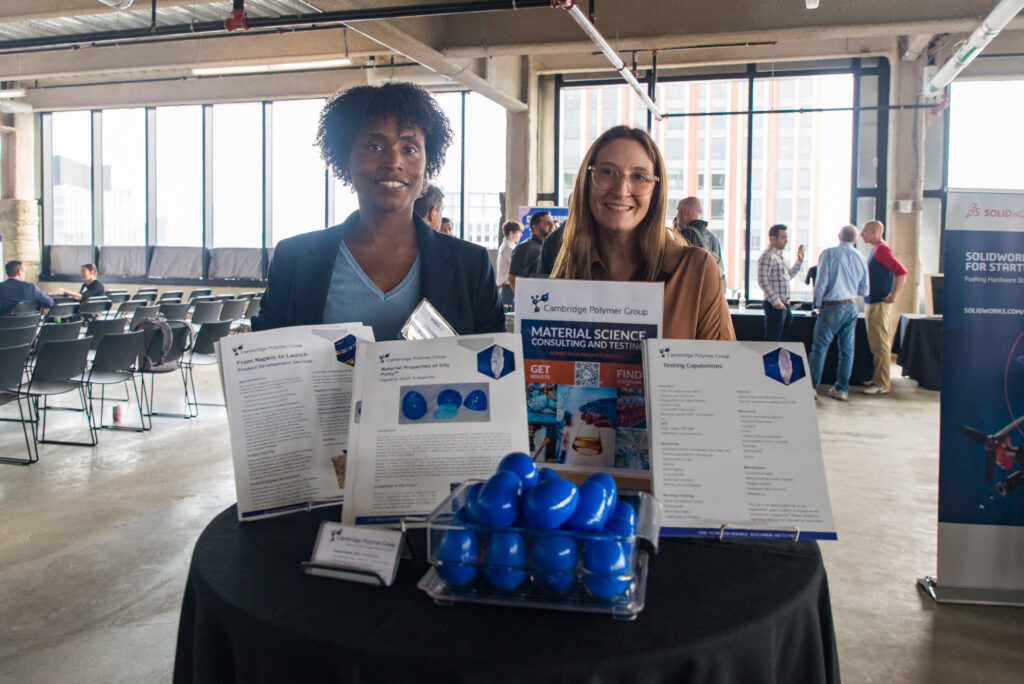
FORGE partners joined the party with their own demo tables to show off their services to the regional innovation and manufacturing ecosystem. We’re grateful to all our sponsors for supporting another FORGE Startup Showcase!
Exhibiting partners included:
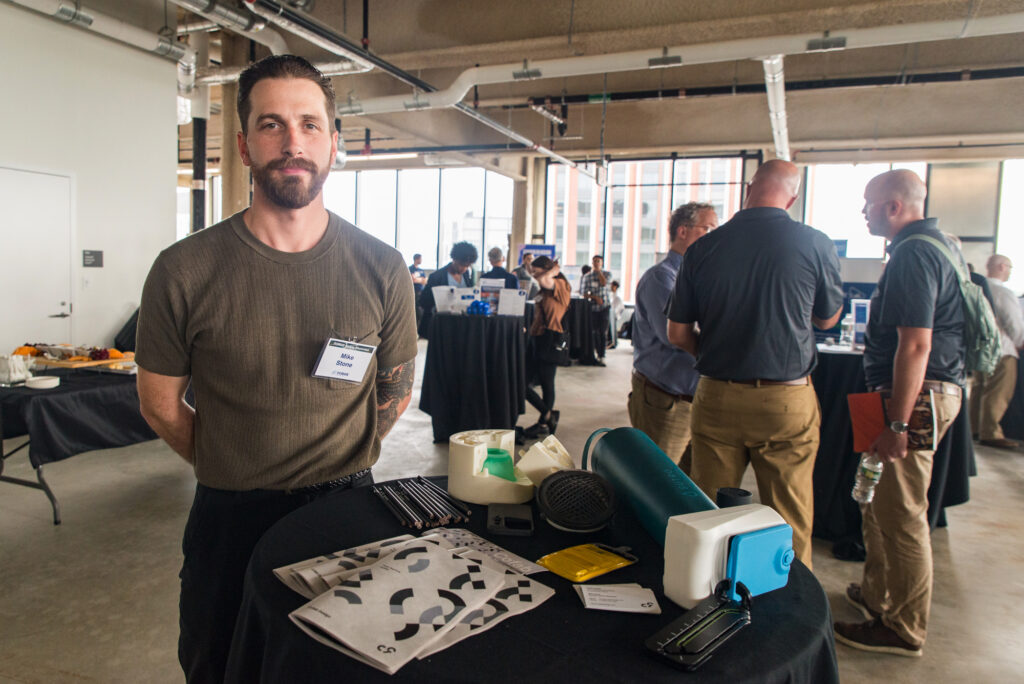
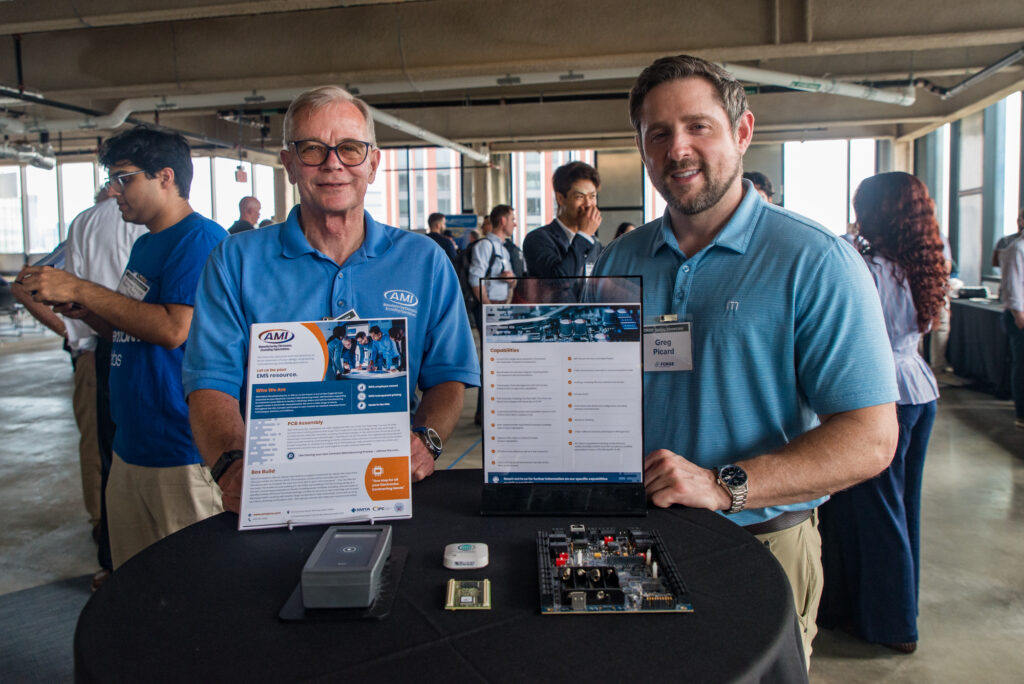
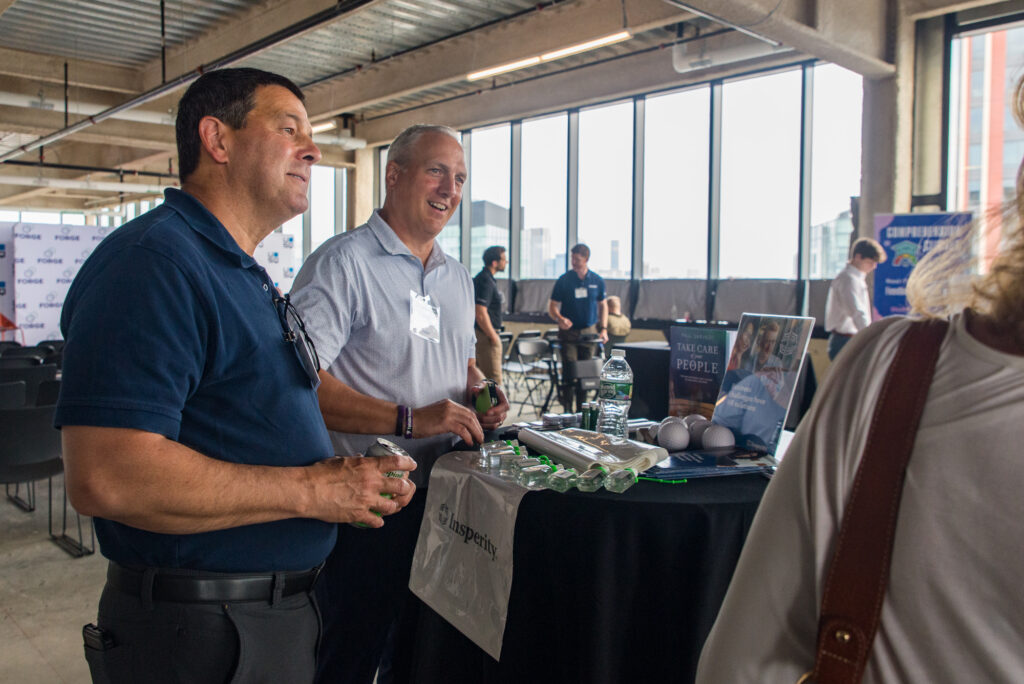
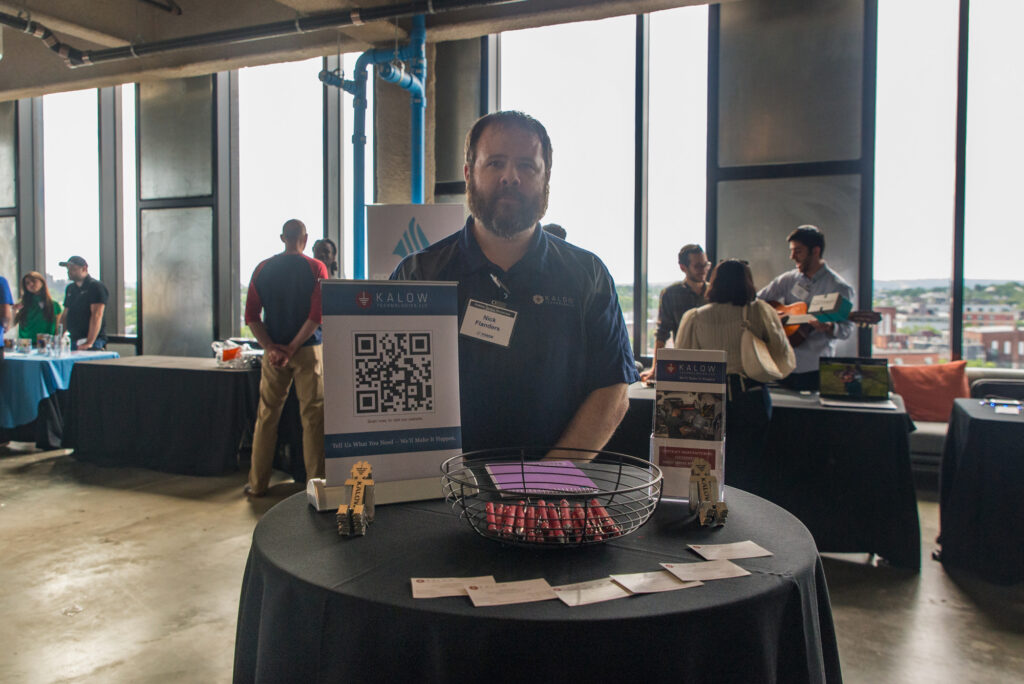
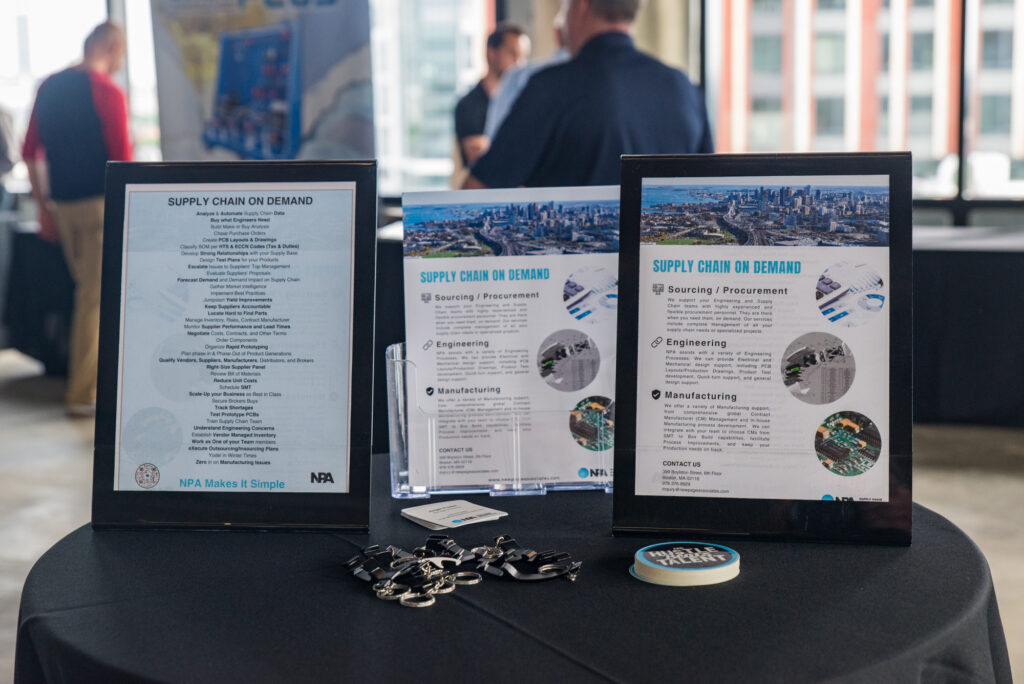
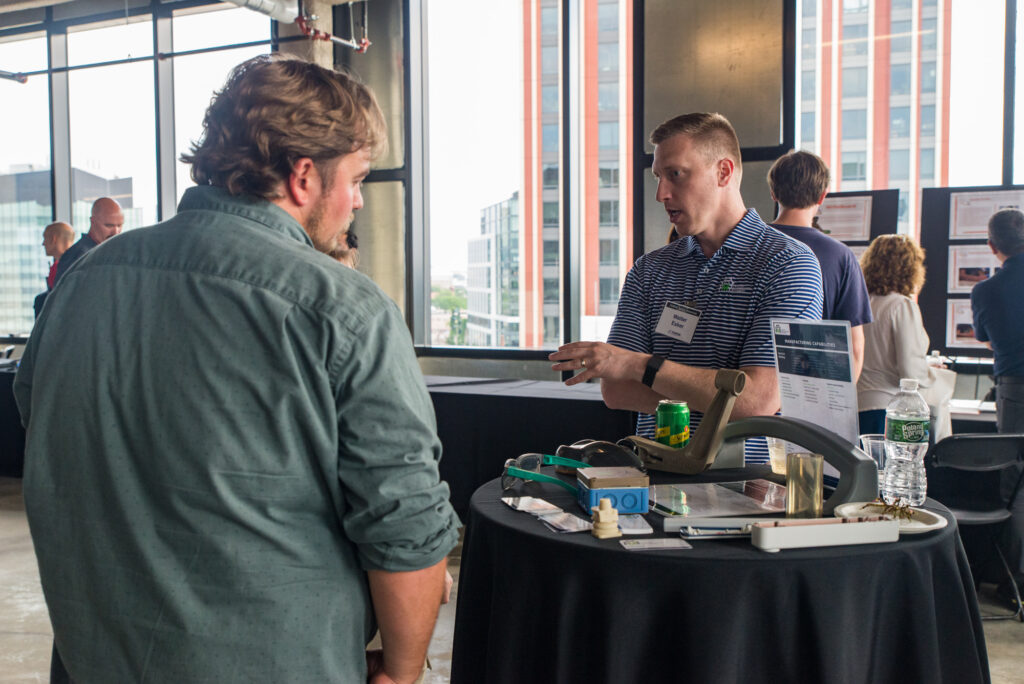
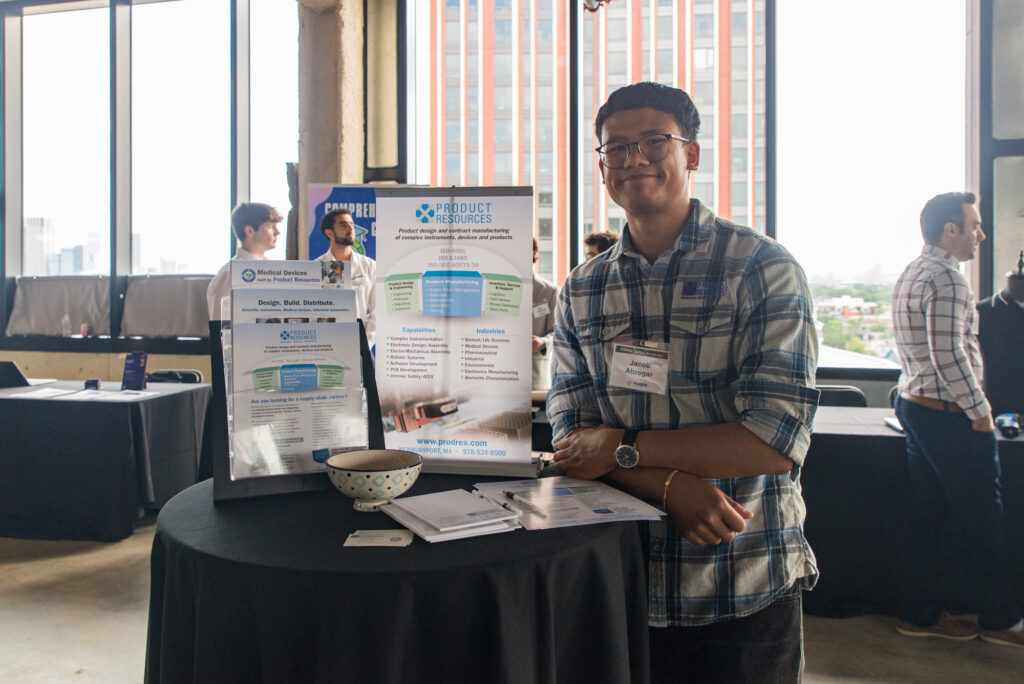
Panel: “Scaling a Hardtech Startup: Building the Foundations for Growth”
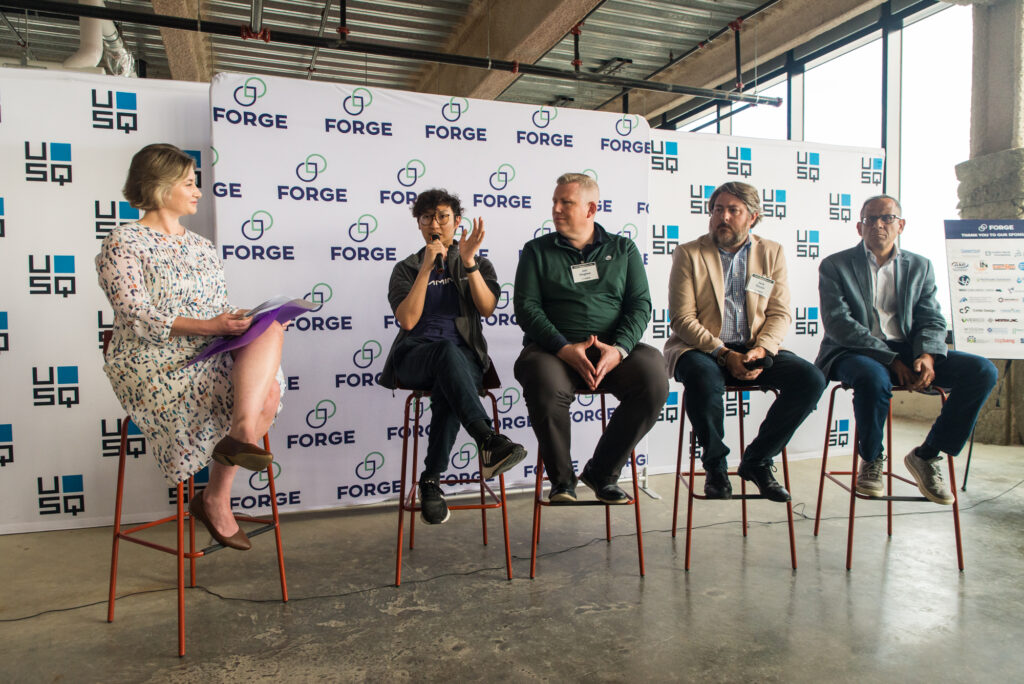
Panelists on the decisions startup founders must make
We gathered to take on the wisdom of entrepreneurs and experts in legal, finance, and HR about the decisions it takes to successfully scale an innovative company.
FORGE Program Director David Thompson introduced the panel and panelists:
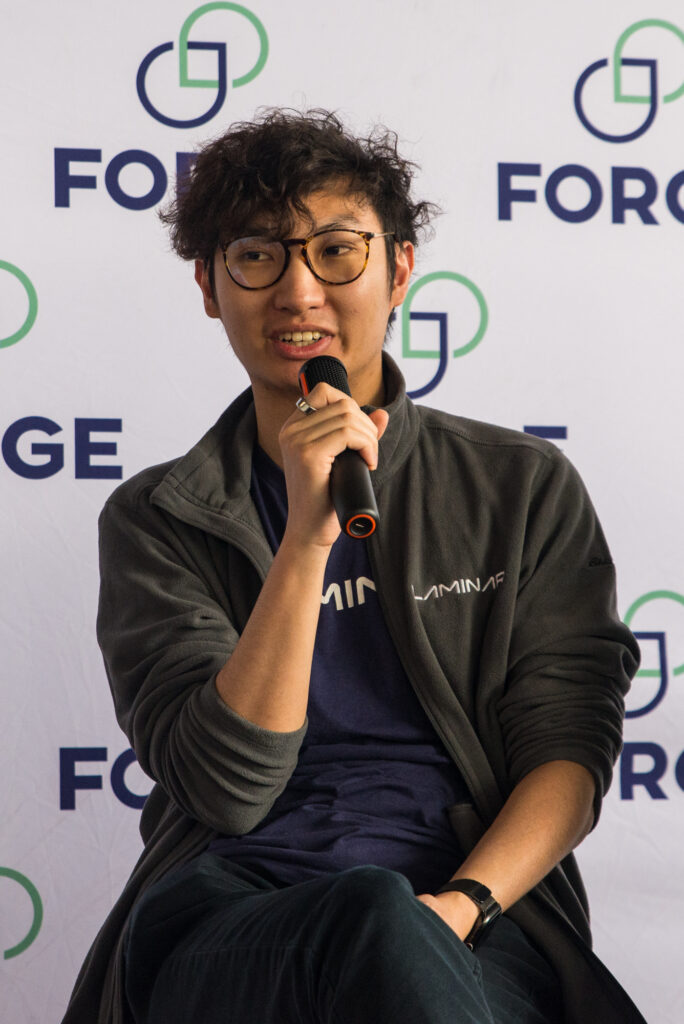
- Laminar Co-Founder and CTO David Lu
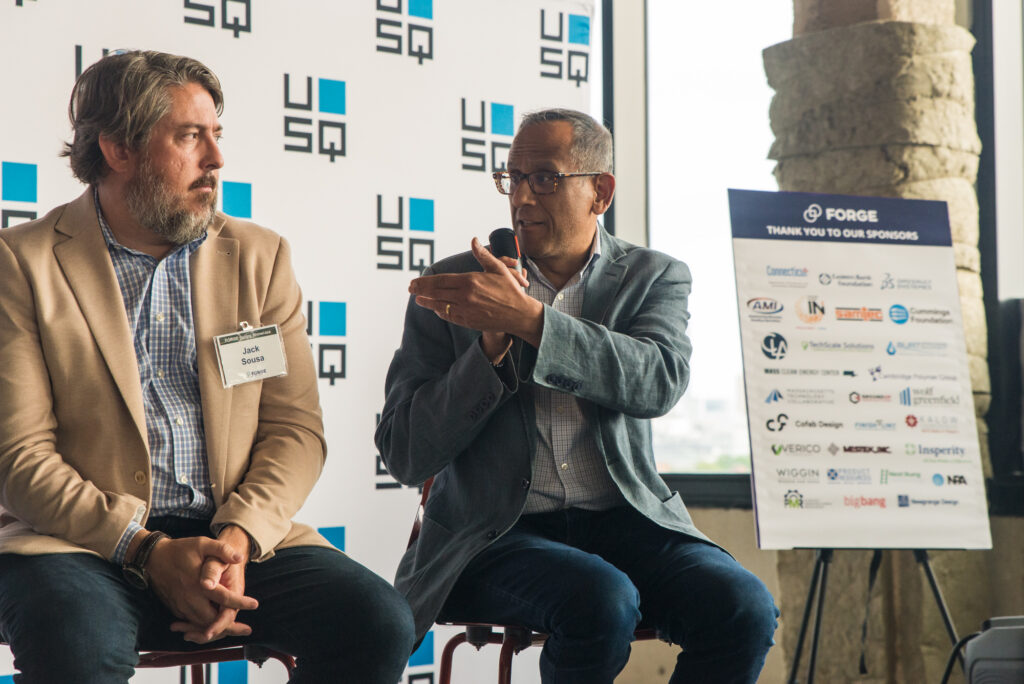
- Dassault VP of Strategy & Business Development Suchit Jain
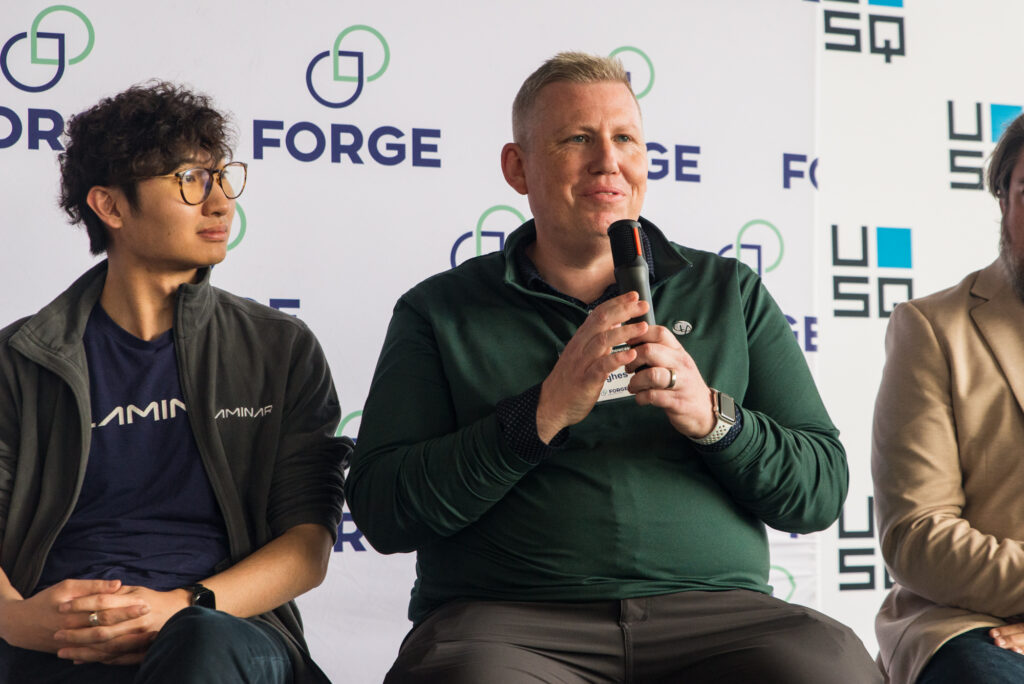
- CLA Principal Jon Hughes
- Wiggin and Dana Partner Jack Sousa
- FORGE President and Executive Director Laura Teicher (Moderator)
Lu discussed Laminar’s ascendant success – the company, which has been a FORGE startup for five years, was just recognized as a World Economic Forum 2026 Technology Pioneer, has deployed its systems in more than 100 facilities, and has scaled to every continent but Antarctica – and the route to that success.
Hughes brought his experience providing financial services to business with a focus on manufacturing, Sousa his experience providing legal services to venture capitalists and startups, and Jain his experience as a long-time FORGE partner and angel investor as well as his insights from the SolidWorks for Startups program, which has served close to 24,000 startups.
People as critical to success
The panelists agreed that hiring the right team members was a critical decision point for startup founders.
“Bringing the right folks on the team is one of the key things that allowed us to grow successfully over the past few years – and sustainably,” Lu said. When hiring, he looks for dedication to the organization, not just for expertise or experience.
Sousa underscored the importance of meeting your team where they’re at to keep them motivated. Make sure to think seriously about early employee benefits and compensation, including equity. Sousa once spent a year setting up a 401k at a past firm. When he excitedly told his 25-year-old junior attorney about it, she said, “I don’t care, I just want to work from home.”
“I should have done more research on my people,” he said.
Understanding product applications and customers
Jain said savvy founders should look for multiple applications of their product or idea – for example, an assistive device for blind people that maps sidewalks could also use its sidewalk mapping data for a second purpose like guiding delivery robots.
In conjunction with deeply understanding their product’s potential applications, founders should aim to deeply understand their customers. Lu said he spent days shadowing his customers and thinking about how to convert their pain points into business value, as well as how to communicate with Laminar’s customers’ financial representatives, not just the end user. He said, “You can start very narrow. Focus on one specific use case or one specific value-add that you can articulate extremely well. From there, expand your offering to your customers and stack your offerings as you gain trust and start looking at new use cases.”
Financial and legal perspectives on scaling startups
Hughes emphasized the importance of planning for cost structure, starting early in the research and design process. As companies scale, he said, the founders should maintain close relationships with their manufacturers and have transparent conversations about how their costs will evolve as they scale production.
Sousa said that the biggest mistake he’s seen startup founders make – not just in the legal world, but across the board – was not trusting their instincts. If a founder has a bad feeling about an investor or a contract, they should listen to and investigate that feeling, even if it means having to make a difficult decision.
Teicher added, “If you’re having big feelings about an upcoming conversation, it means you 100 percent have to have that conversation. Lean into it.”
Another conversation founders need to have about their financials is their equity plan. Sousa said equity compensation for early employees is fundamental for attracting and retaining a talented team, and that founders should be up-front with their investors about the need for equity and team compensation.
Related to equity, Jain said founders should make sure to get initial contracts with friends and family investors, even if it feels awkward to ask a close contact to formalize their relationship with you.
Teicher asked Hughes what advice he had for startups about cash flow management. Hughes said to think of cash flow as something to be actively managed, not just a metric to look at after the fact. Startups should be looking to proactively manage their spend and their working capital – negotiating better terms with suppliers and contract manufacturers and creating contracts with customers that prioritize receiving cash in advance.
Avoiding physical product startup mistakes
Lu said there are many things he’d go back and change about the decisions he made in the early days of Laminar, but his biggest mistake was inexperience when working with potential customers on site selection. A startup can gain traction with its initial pilot, but in Laminar’s case, its first customer pushed for a pilot site that leadership turned out not to care about. Laminar had to start over on another site to prove itself to the customer’s leadership.
As for contract manufacturing and supply chain, Laminar’s manufacturing partners are essential for delivering products the company can feel good about, that drive value for their customers, are cost-effective and deployed at the right time. The right contract manufacturer can bring startups crucial experience and wisdom to the business relationship. Laminar connected with its electronics manufacturer AMI through a FORGE pitch event in 2021.
Lu said, “We think very deeply about the future of Laminar…our partners are key for that.”
The panel emphasized the importance of collaborating with your network for support.
“Lean on FORGE, lean on SolidWorks, lean on your suppliers in those early days,” Jain said. “You’ve got to focus on your product, but you might be able to build it faster if you’re in your network.”
Another successful spring for startups
Thank you to USQ for hosting our community in their space at 10 Prospect. (Lab space in the building is available for lease – reach out if you’re interested.) And thank you to our partners and our innovation and manufacturing ecosystem members. You are what makes FORGE’s showcases what they are – a place to share resources and knowledge, spark new ideas, and admire the genius of our local physical product innovators. You are the network we all lean on to grow and flourish.
If you’re a startup, manufacturer, innovation ecosystem organization or potential sponsor interested in learning more about or getting involved with FORGE, contact us today.